
RESEARCH
Technology changes.
Decisions matter.
[1] Information Disclosure Policy in Omnichannel Services with Invisible Customers
[1] Information Disclosure Policy in Omnichannel Services with Invisible Customers
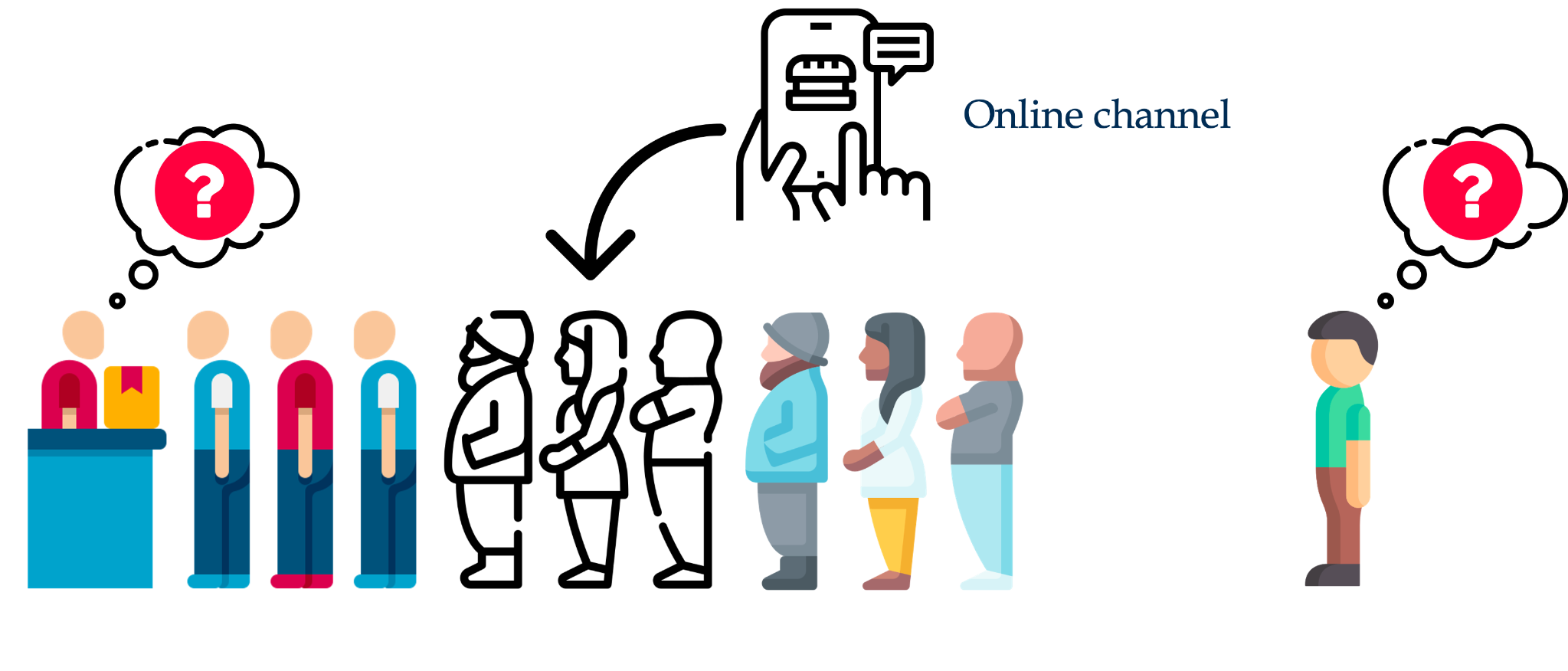
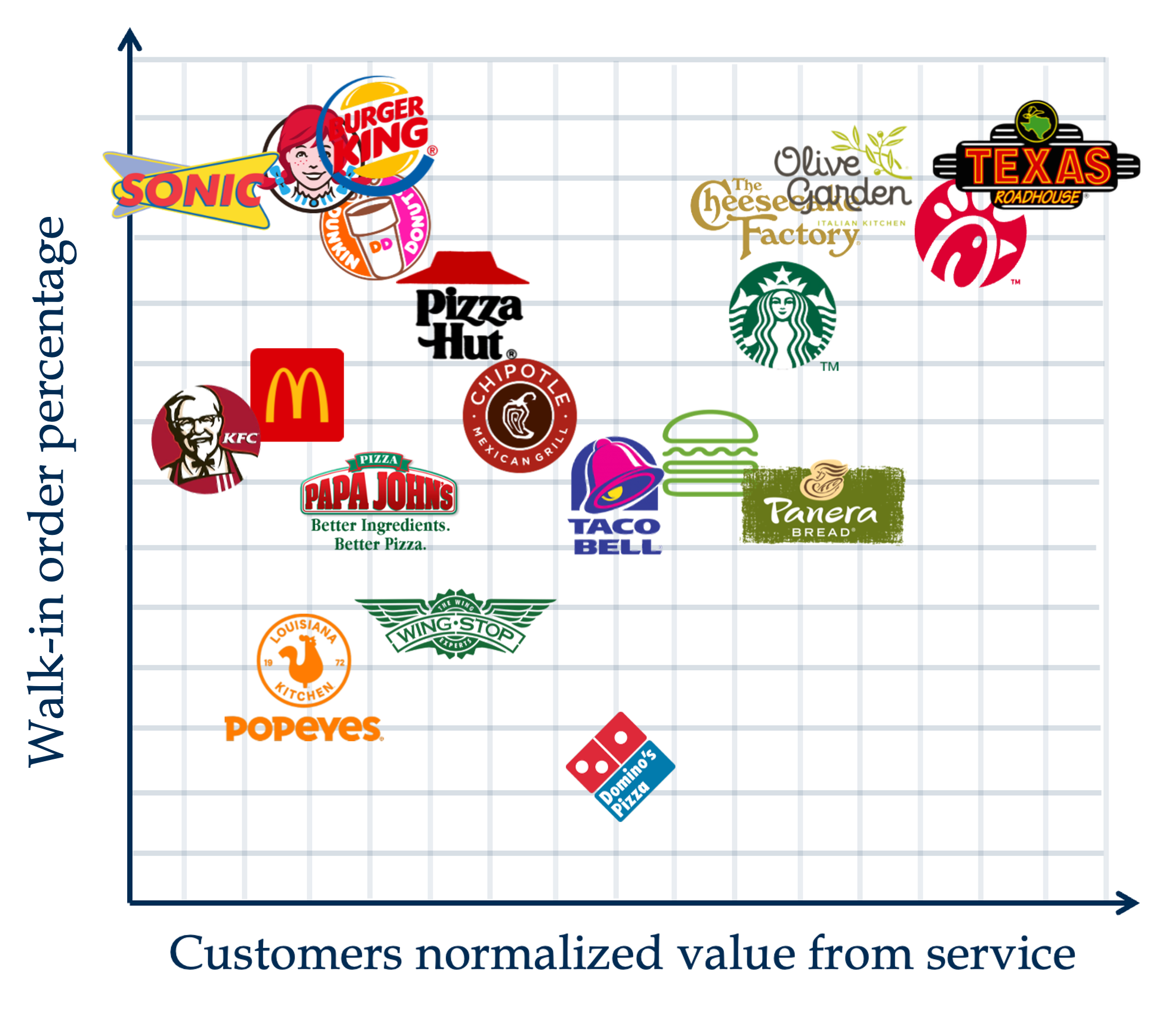
The queue you see may not be the queue you join. When online customers are invisible to walk-in customers, what should firms reveal about demand across their service channels?
[2] On the design of an AI-Human Service System with Strategic Customers: Should AI be Mandated?
[2] On the design of an AI-Human Service System with Strategic Customers: Should AI be Mandated?
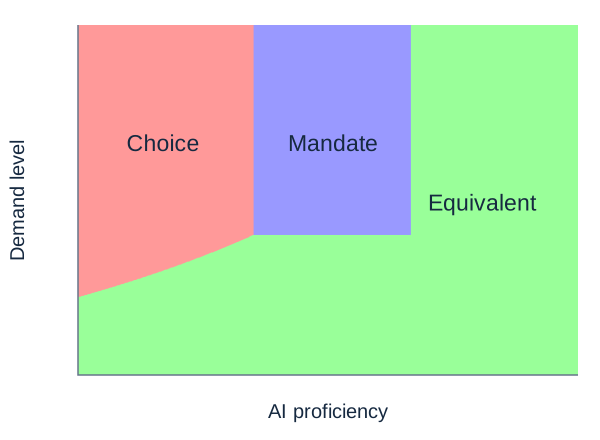
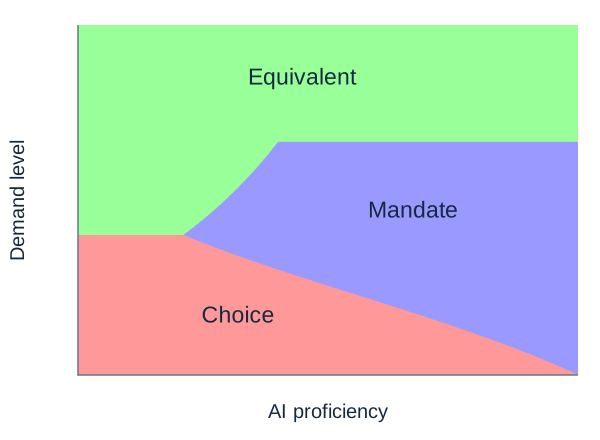
Should every customer have to try AI before reaching a human? We examine when an AI mandate improves throughput and social welfare—and when giving customers a choice works better.
[3] When Better AI Hurts: Verification, Compliance, and AI-Human Handoffs in Services Systems
[3] When Better AI Hurts: Verification, Compliance, and AI-Human Handoffs in Services Systems
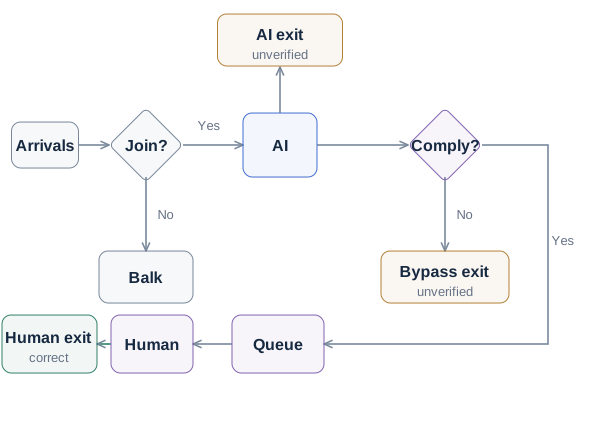
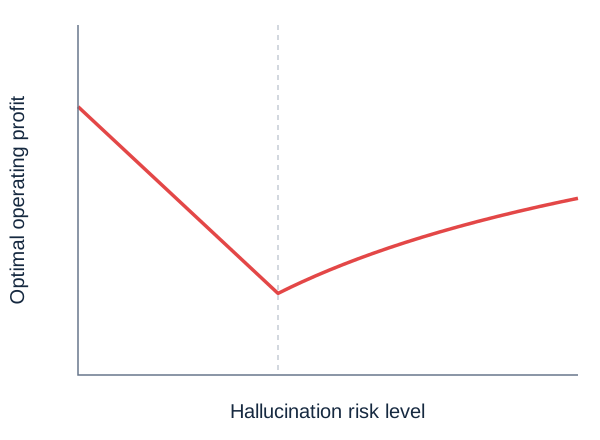
Can more accurate AI make a service less profitable? We uncover an AI improvement trap: when customers can skip human verification, reducing hallucination risk can paradoxically lower a firm’s optimal profit.
[4] Power Without the Grid? Front- and Behind-the-Meter Electricity for Co-location Data Centers
[4] Power Without the Grid? Front- and Behind-the-Meter Electricity for Co-location Data Centers
Can data centers secure power without waiting years for a full grid connection? We study hybrid service that combines electricity from a co-located generator with limited grid access—and how it reshapes market incentives.
Hybrid transmission service
Direct supply alongside a limited grid connection. Animated flows illustrate connections, not quantities or guaranteed backup adequacy.
[5] On Social Loss From Balking: Counting the Unserved Customers
[5] On Social Loss From Balking: Counting the Unserved Customers
When someone gives up on a queue, who bears the cost? In services such as voting, healthcare, and humanitarian aid, we examine how the social cost of lost participation changes the design of a welfare-maximizing queue.
[6] Pro-worker AI? The Pricing and Staffing Consequences of Augmentation and Automation AI
[6] Pro-worker AI? The Pricing and Staffing Consequences of Augmentation and Automation AI
Does AI help workers—or replace them? We compare AI that augments people with autonomous AI agents, tracing their consequences for pricing, staffing, profits, customer welfare, and investment.